
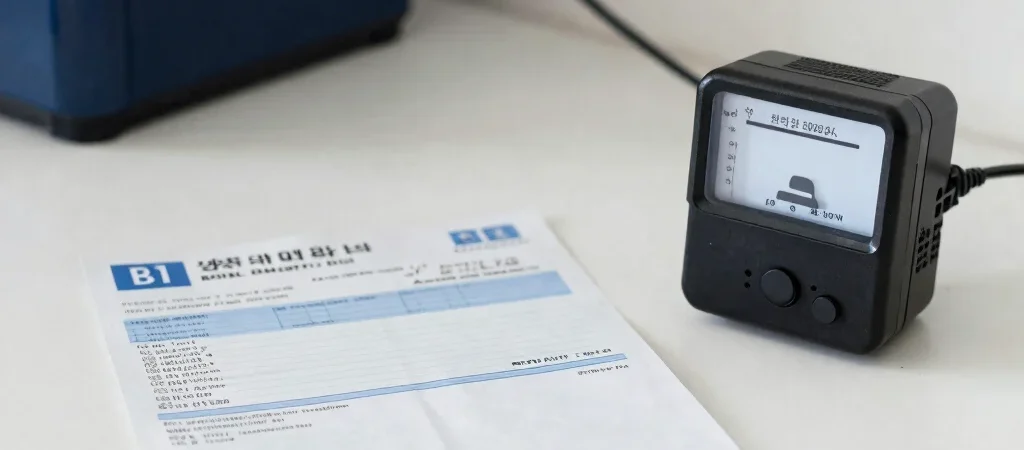
The number on an appliance label can look precise, but it does not tell you what that appliance will cost in your home. To estimate running costs, you need to know how much electricity it uses, how long it operates, and how your utility bills electricity.
Start With Energy Use
For an appliance rated in watts, a rough estimate is watts multiplied by hours of use, divided by 1,000, to get kilowatt-hours. Multiply that by the applicable electricity rate for an estimated energy charge. For example, a 1,000-watt appliance running for one hour uses about one kilowatt-hour at its rated power.
Treat Ratings As Clues
Rated power is not always the same as actual use: a refrigerator cycles on and off, while a heater may run continuously when it is cold. If a label provides estimated annual energy use, that figure can be a more useful starting point for a household comparison than maximum wattage alone. Real use still depends on settings, room conditions, and how often the appliance runs.
Use Your Bill Carefully
Check your current utility bill for the rate that best matches your plan and usage period. In both the United States and South Korea, billing details and rate structures can vary, so a single flat rate may not represent every additional kilowatt-hour you use. Treat the result as an estimate, and remember that fixed charges on a bill are not necessarily costs caused by one appliance.
Make Comparisons Useful
Compare appliances that serve the same purpose, using the same assumptions about hours, settings, and electricity rates. A simple calculator can help: enter annual kilowatt-hours or estimated daily use, then apply the relevant rate. The best estimate is not a promise about your next bill; it is a consistent way to see which household choices deserve a closer look.